Trying to choose between Rockville and Silver Spring? If your home search keeps bouncing between the two, you are not alone. Both offer strong transit access, a mix of housing types, and convenient Montgomery County locations, but they can feel very different day to day. This guide will help you compare price, housing options, walkability, and commute patterns so you can focus on the area that fits how you want to live. Let’s dive in.
Rockville vs. Silver Spring at a Glance
At a high level, Rockville tends to feel more suburban, while Silver Spring tends to feel denser and more urban. According to Census Reporter data for Rockville and Silver Spring, Rockville has 68,417 residents across 13.6 square miles, while Silver Spring has 77,793 residents across 7.9 square miles. That works out to about 5,043 people per square mile in Rockville and about 9,868 per square mile in Silver Spring.
That difference shows up in the feel of each place. If you want more room and a broader suburban layout, Rockville may line up better. If you want a more continuous downtown environment with a stronger urban pace, Silver Spring may be the better fit.
Home Prices and Housing Types
Price is often where buyers start, and the current broad market snapshot shows a gap between the two. Redfin’s February 2026 market data for Rockville shows a median sale price of $558,000, while the research report notes Silver Spring at $680,000 for the same period. That does not mean every home in Silver Spring costs more than every home in Rockville, but it does suggest a higher overall pricing level in Silver Spring right now.
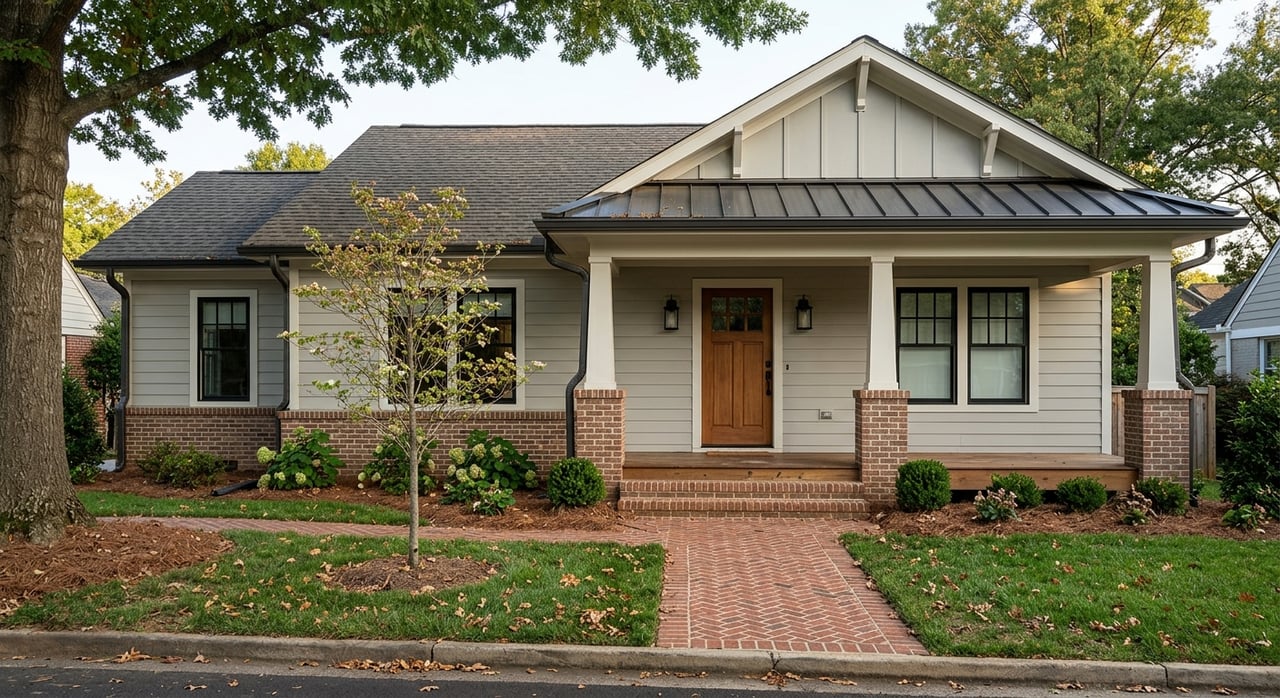
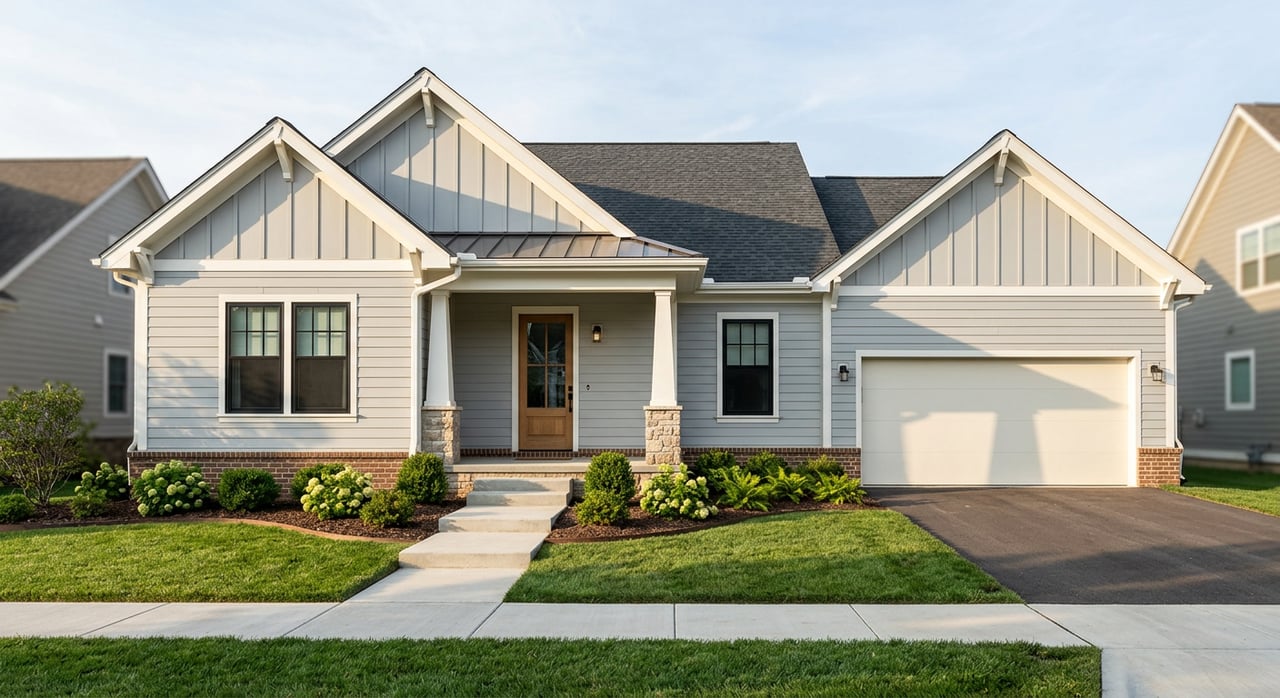
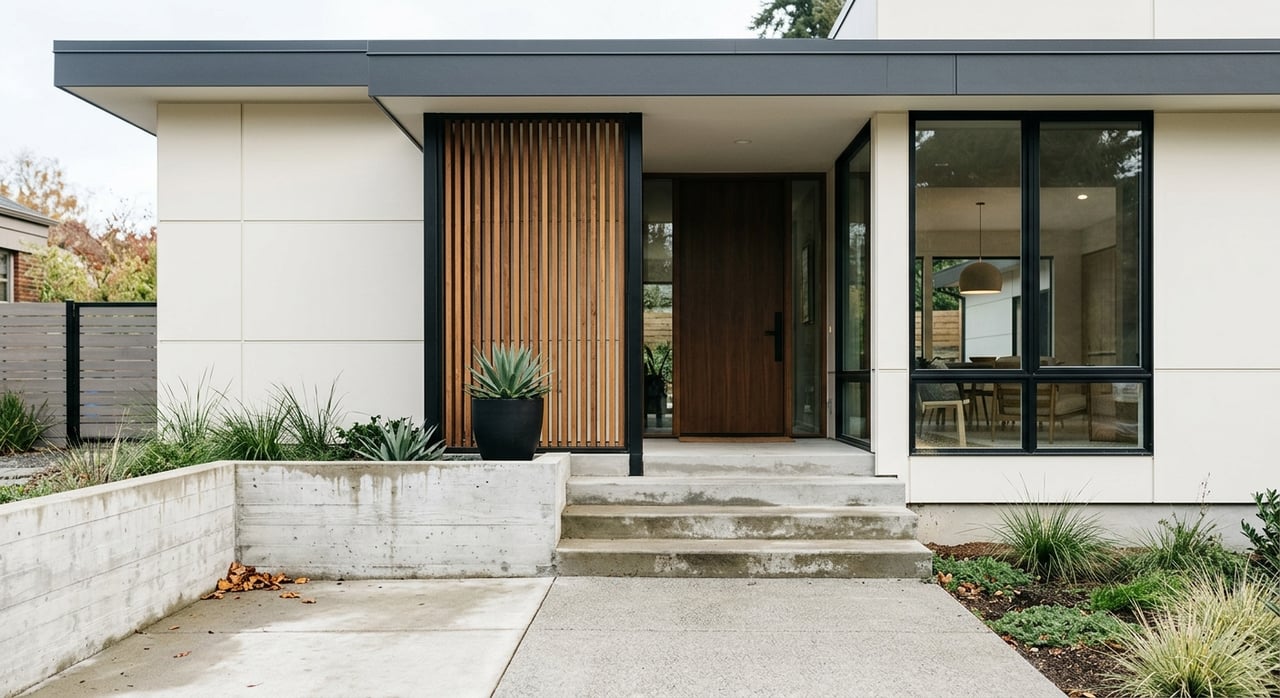
Both markets offer variety. You are not choosing between a one-note suburb and a one-note city. In both places, your options can include detached homes, townhomes, condos, and apartment-style living, though the mix and setting differ.
Rockville housing mix
Rockville’s zoning and land use framework allows detached homes, duplexes, townhouses, attached dwellings, and apartments. The city also notes that missing-middle housing types such as duplexes, triplexes, fourplexes, townhouses, and small apartment buildings remain underrepresented in some areas.
Rockville’s planning direction also supports mixed-use communities with varied housing near transit. For you as a buyer, that means Rockville can offer both traditional suburban formats and more transit-oriented options, especially in areas tied to Metro and mixed-use growth.
Silver Spring housing mix
Montgomery Planning’s Silver Spring materials describe a broad mix of housing choices, including low-rise and high-density apartments, townhouses, condos, duplexes, single-family homes, and both small and large apartment buildings. The downtown and adjacent community plans call for diverse housing types throughout the area.
In practical terms, Silver Spring may give you more opportunities to find housing in a denser, mixed-use setting. If you want to live closer to shops, transit, and a more active downtown pattern, that can be a meaningful advantage.
Walkability and Daily Convenience
Walkability can shape your routine just as much as the home itself. Where you buy affects how often you can walk to coffee, dinner, errands, or transit instead of driving.
Rockville walkability centers
In Rockville, walkability tends to be strongest around Town Center, Twinbrook, and parts of Rockville Pike. The city says Rockville Town Center covers about 200 acres in the heart of the city and includes business and restaurant options within walking distance.
The city’s long-range planning also describes Town Center as a place with walkable blocks, outdoor spaces, and a mix of commercial uses. Rockville Pike is another key corridor, with urban-style mixed-use development planned along it. So if you like having walkable pockets within a broader suburban setting, Rockville can offer that balance.
Silver Spring walkability centers
Silver Spring’s downtown pattern is more continuous. Montgomery Planning describes the Silver Spring CBD as a major urban center with a mix of shops, restaurants, offices, residential, and civic uses, shaped around pedestrian-friendly and transit-oriented planning.
The 2022 planning framework also emphasizes greener streets, stronger bike and pedestrian connections, and improved connections across the rail corridor. For many buyers, that means Silver Spring can feel easier to navigate on foot across a wider area, not just in one central node.
Transit and Commute Access
If your schedule depends on Metro, MARC, buses, or regional road access, this may be the most important part of your comparison. Both areas are well connected, but they serve different commute styles.
Rockville transit advantages
Rockville’s public transportation page highlights two Red Line stations within the city, Rockville and Twinbrook, plus Shady Grove just outside the city boundary. The city also points to WMATA Metrorail and Metrobus, Ride On, MARC, and Amtrak service, along with planned BRT projects on MD 355, Veirs Mill Road, and the Great Seneca Transit Network.
According to WMATA’s Rockville Station information, Rockville Station connects with Amtrak and MARC and sits near Rockville Town Center. That can be useful if you want a suburb with strong rail access but still want easier ties to the I-270 side of the county.
Rockville also sits in the I-270 technology corridor. The city’s economic development plan places Rockville at the core of that corridor and identifies employers tied to biotechnology, life sciences, IT, advanced research, county government, and Montgomery College.
Silver Spring transit advantages
Silver Spring’s transit setup is especially concentrated around its central hub. WMATA says the Paul S. Sarbanes Transit Center sits next to the Red Line station and includes more than 30 bus bays serving Metrobus, Ride On, VanGo, and the University of Maryland shuttle, with connections to the MARC Brunswick Line and the Interim Metropolitan Branch Trail.
WMATA also notes that the station is steps from central downtown uses, and Montgomery Planning describes Silver Spring as a key access point between DC and suburban Maryland via Metrorail, MARC, Georgia Avenue, 16th Street, and Colesville Road. The Purple Line project update for Silver Spring also indicates work is continuing, with service planned to begin in 2027.
If you want a more transit-centered lifestyle or expect to move between bus, rail, and downtown destinations often, Silver Spring may offer the more connected daily pattern.
Which Area Fits Your Priorities?
The better choice depends less on which place is "better" and more on what matters most to you. A smart home search usually starts by matching your budget, commute, and daily habits to the right environment.
Rockville may fit you if you want:
- A somewhat lower current median sale price
- A more suburban overall setting
- Access to detached homes and townhomes alongside condos
- Walkable nodes instead of a fully urban feel
- Convenient access to county government or the I-270 corridor
- Transit-oriented options near Rockville Station, Twinbrook, or nearby corridors
Silver Spring may fit you if you want:
- A denser, more urban environment
- A more continuous downtown walkability pattern
- A stronger central transit hub
- Easier access to DC-oriented commuting patterns
- A mix of housing in and around a major downtown district
- A location shaped heavily by pedestrian-friendly, transit-oriented planning
A Simple Way to Decide
If you are still torn, try narrowing your search with three questions:
- How important is walkability every day? If you want to run more of life on foot or by transit, Silver Spring may rise to the top.
- How much space do you want around you? If you prefer a more suburban layout with multiple housing formats, Rockville may feel more comfortable.
- Where do you need to go most often? If your routine leans toward I-270 or county-centered destinations, Rockville may make more sense. If your trips lean toward DC or a major bus-and-rail hub, Silver Spring may be easier.
This is where a teach-first home search can help. Instead of touring everything, you can first identify the lifestyle tradeoffs that matter most, then focus on the parts of each market that actually fit your goals.
Bottom Line for Buyers
Rockville and Silver Spring are both strong options, but they serve different kinds of home searches. Rockville generally offers a more suburban feel, a lower current median sale price, and solid access to the I-270 corridor and transit-connected mixed-use areas. Silver Spring generally offers a denser environment, a more urban downtown experience, and one of the county’s strongest transit hubs.
If you want help sorting through neighborhoods, commute patterns, and the types of homes available in each market, Patrick Thelwell can help you compare your options clearly and move forward with confidence.
FAQs
What is the main difference between Rockville and Silver Spring for homebuyers?
- Rockville is generally the more suburban option, while Silver Spring is generally the denser and more urban option based on population density, planning patterns, and downtown form.
Which area has a lower median home price, Rockville or Silver Spring?
- Based on the research report’s February 2026 market snapshot, Rockville had a median sale price of $558,000 and Silver Spring had a median sale price of $680,000.
What kinds of homes can you find in Rockville?
- Rockville includes detached homes, duplexes, townhouses, attached dwellings, and apartments, with planning support for more mixed-use and transit-oriented housing options.
What kinds of homes can you find in Silver Spring?
- Silver Spring includes single-family homes, duplexes, condos, townhouses, low-rise and high-density apartments, and both small and large apartment buildings.
Which area has stronger transit access, Rockville or Silver Spring?
- Both have strong transit access, but Silver Spring has a more concentrated central transit hub, while Rockville offers Red Line access plus MARC and Amtrak connections and access tied to the I-270 corridor.
Is Rockville or Silver Spring better for walkability?
- Silver Spring generally has a more continuous downtown walkability pattern, while Rockville’s walkability is often concentrated around Town Center, Twinbrook, and parts of Rockville Pike.