If you want a small-town feel without giving up access to the rest of Montgomery County, Kensington deserves a closer look. For many buyers, the challenge is finding a place that feels connected, walkable, and established without feeling oversized or anonymous. This guide will help you understand what living in Kensington, MD is really like, from housing and historic character to parks, transit, and everyday convenience. Let’s dive in.
Why Kensington Stands Out
Kensington is an incorporated town in Montgomery County with deep local roots and a notably small scale. The town was incorporated on April 6, 1894, and as of July 1, 2024, Maryland Planning estimated its population at 2,155 residents. That size is a big part of the appeal if you want a community that feels intimate and recognizable rather than sprawling.
According to the Town of Kensington, the town still operates with a mayor, four council members, and a town manager. That civic structure reflects how distinct Kensington is within the county. It is not just a neighborhood label, but an actual incorporated town with its own identity.
Montgomery Planning describes Kensington as a key crossroads in the county road network, with neighborhood services, retail, and a housing mix that ranges from apartments near Antique Row to larger single-family homes in the historic district. In practical terms, that means you get a compact town center surrounded by residential streets, rather than a large suburban commercial corridor.
Historic Character Shapes Daily Life
Kensington’s history is not just something you read on a plaque. It shows up in the streetscape, the architecture, and the rhythm of the town. If you are drawn to places with a strong sense of identity, this is one of Kensington’s biggest strengths.
The town’s history traces back to Joseph’s Park and became closely tied to Brainard H. Warner in the early 1890s. The historic Kensington train station from 1891 remains one of the defining local landmarks and is described by the town as the second-oldest active station in Montgomery County.
That historic setting carries into the business district as well. The town highlights Antique Row, Victorian homes, a Saturday farmers market at the train station, and a mix of antique stores, book shops, restaurants, grocery markets, and neighborhood-serving businesses in its shopping and dining guide. For a future homeowner, that often translates into a place with a more established, main-street feel than many nearby communities.
Housing Options in Kensington
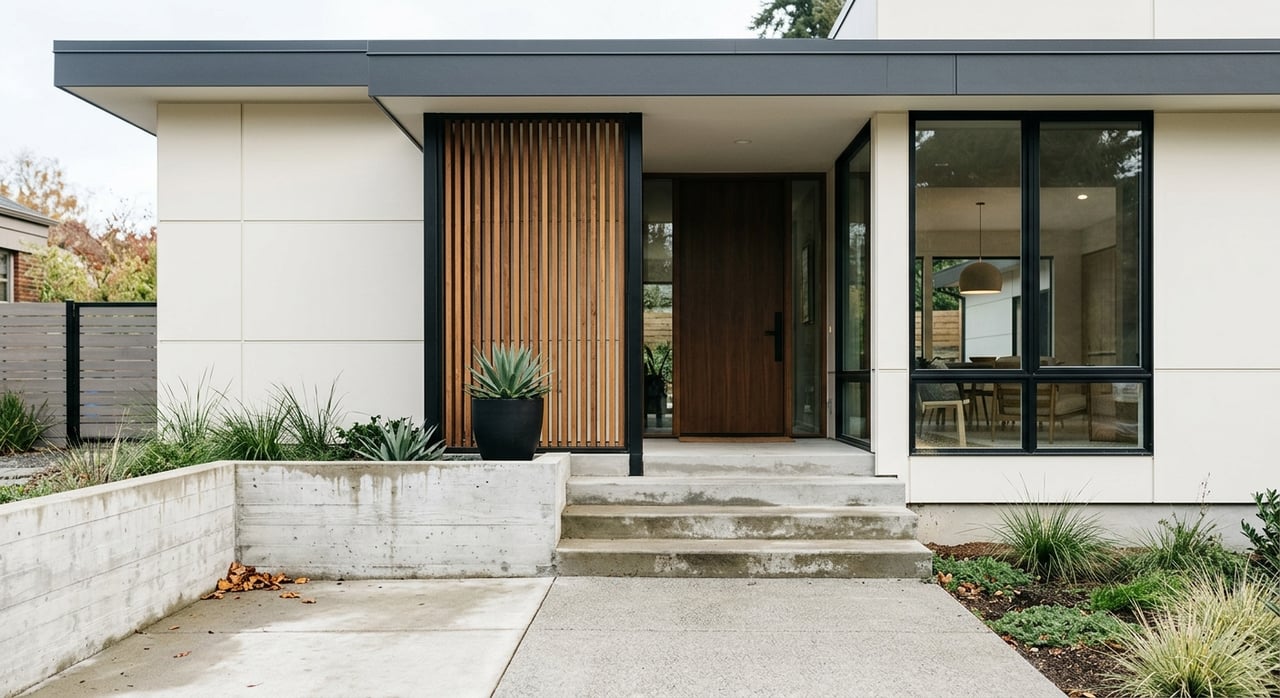
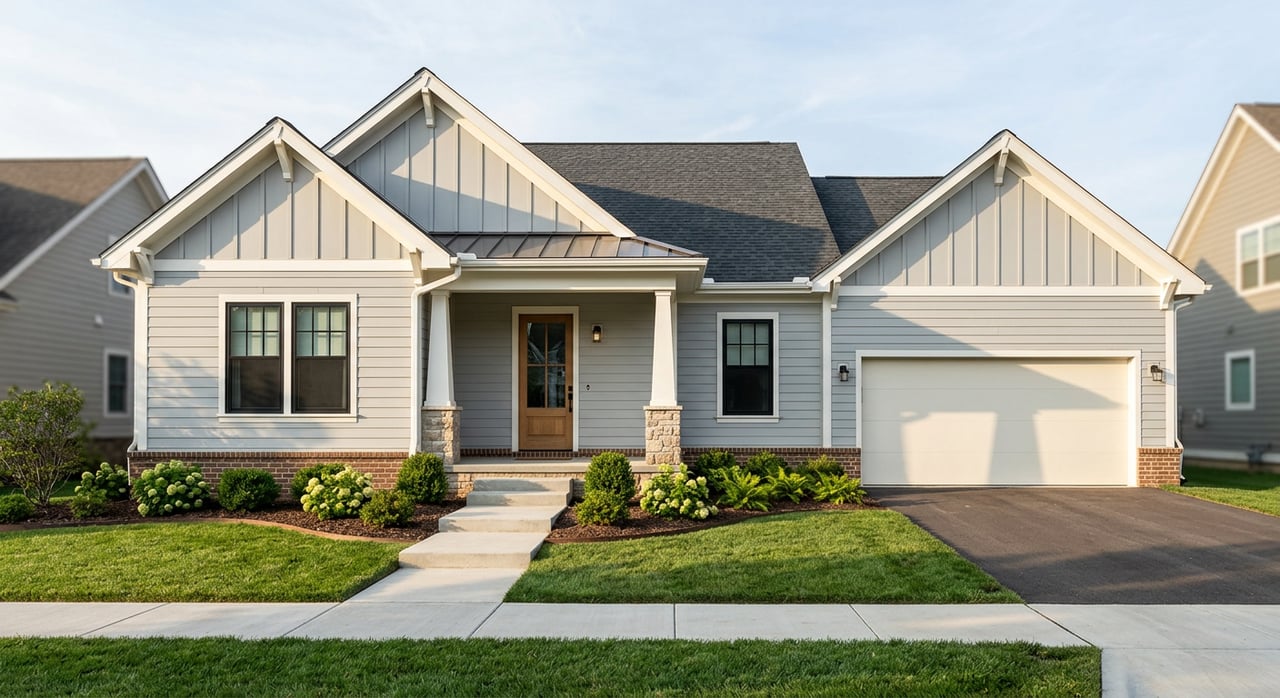
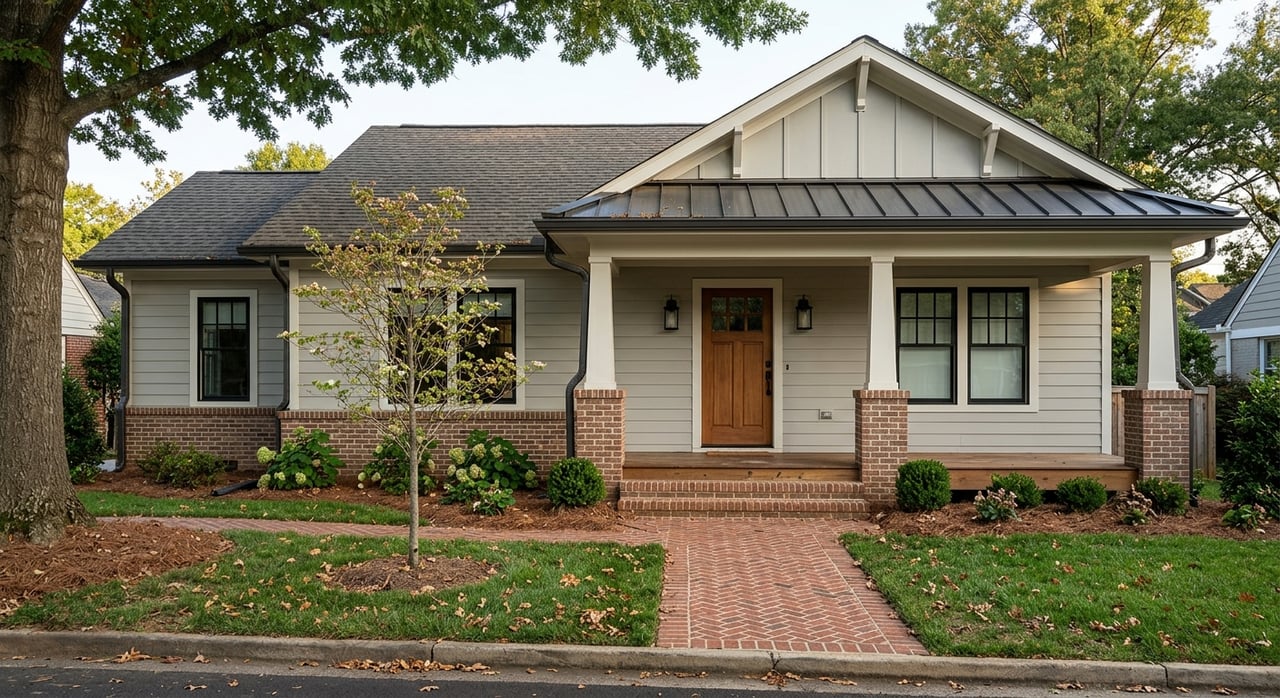
One of the most useful things to know about Kensington is that it is not a one-style housing market. While many buyers associate the town with historic homes, the housing stock is more varied than that first impression suggests.
Montgomery Planning notes that Kensington includes small apartments near Antique Row, historic single-family houses, and housing geared toward older residents. That variety gives you more than one path into the market, depending on whether you want to prioritize walkability, historic character, lower maintenance, or a more traditional detached-home setup.
The latest American Community Survey profile adds helpful context. The 2020-2024 ACS estimate shows 893 households, an average household size of 2.65, and a median age of 42.0. It also reports that 50.5% of housing is owner-occupied and 49.5% is renter-occupied, with 52.5% of units classified as 1-unit detached homes.
For pricing context, the same ACS profile reports a median home value of $943,500, median household income of $152,284, and median gross rent of $2,076. Because Kensington is a small town, these estimates can have wide margins of error, so it is best to use them as directional data rather than exact pricing guidance.
What Future Homeowners Should Consider
If you are thinking about buying in Kensington, the main tradeoff is fairly straightforward. You may be paying for a location with strong character, commuter convenience, and a recognizable town center, but housing options can vary a lot by block, property type, and historic context.
That historic context matters. Montgomery Planning notes that in historic areas, local review may be required before a Historic Area Work Permit application is filed for certain changes, and the county says the HAWP review process generally does not exceed 45 days. If you are considering a home with historic significance, it is smart to understand potential review requirements early.
The good news is that this does not make Kensington harder to buy into. It simply means you should approach the process with clear expectations, especially if you plan to renovate or change exterior features. A teach-first buying strategy matters here because the details can shape both your timeline and your long-term plans for the home.
Parks and Outdoor Access
For such a small town, Kensington offers impressive access to parks and green space. That can make a meaningful difference in day-to-day life, whether you want a nearby playground, a place to walk, or quick access to broader trail networks.
The town says it maintains six town parks and includes four county parks, including Clum-Kennedy Park, Howard Avenue Park, Reinhardt Park, and Warner Circle Park, among others. This concentration of park space helps support Kensington’s community-oriented feel.
One especially notable green space is Warner Circle Special Park. Montgomery Parks describes it as a 4.5-acre park in the heart of the Kensington Historic District that preserves historic landscape features and buildings associated with Brainard Warner.
For larger-scale recreation, nearby Rock Creek Regional Park offers more than 13 miles of scenic trails, and the Rock Creek Hiker-Biker Trail extends to the D.C. line. If outdoor access is high on your list, Kensington gives you both neighborhood-scale parks and connections to a much broader regional system.
Transit and Getting Around
Kensington appeals to many buyers because it combines a local-town atmosphere with practical transportation options. That balance can be hard to find in suburban markets.
The MARC station on Howard Avenue is a key asset for commuters, and the Maryland Transit Administration lists Ride On routes 4, 33, and 34 as connections at the station. Montgomery County also notes that Route 4 serves Silver Spring, Kensington, and Wheaton, Route 5 runs between Twinbrook/North Bethesda and Silver Spring through Kensington, and Route 41 connects Aspen Hill, Glenmont, Kensington, Plyers Mill Road, and Wheaton.
If your daily life requires movement across Montgomery County or toward Washington-area job centers, that connectivity adds flexibility. You still need to evaluate your specific commute and schedule, but Kensington’s transit access is a real advantage for a town of its size.
How Kensington Compares Nearby
When buyers first search this part of Montgomery County, they often look at Kensington alongside places like Silver Spring, Wheaton, and Rockville. That makes sense geographically, but Kensington offers a very different experience.
Montgomery County groups Kensington with other communities that have active downtown areas, yet Kensington is much smaller and more historically oriented in feel. Its planning framework emphasizes preservation, mixed-use development, tree-lined sidewalks, gathering spaces, and a village center near the MARC station, as outlined in the Kensington Sector Plan.
The population numbers show just how different the scale is. According to the U.S. Census, Rockville had 67,117 residents in 2020, Silver Spring had 81,015, and Wheaton had 52,150, while Kensington’s 2024 estimate was 2,155. For you as a buyer, that often means a more village-like setting with local retail and commuter access, rather than the pace and scale of a larger suburban center.
Is Kensington Right for You?
Kensington can be a strong fit if you want a place with architectural character, a compact commercial core, and access to parks and transit. It can also work well if you value having different housing types within a relatively small footprint.
At the same time, buying here works best when you understand the town on a property-by-property basis. Two homes can offer very different lifestyles depending on where they sit relative to Antique Row, the historic district, the MARC station, or the surrounding residential streets.
If you want help narrowing down which part of Kensington best fits your goals, Patrick Thelwell offers calm, data-driven guidance to help you compare homes, understand tradeoffs, and move forward with confidence.
FAQs
What kind of housing can you find in Kensington, MD?
- Kensington includes small apartments near Antique Row, historic single-family homes, and housing for older residents, according to Montgomery Planning.
How large is the Town of Kensington, MD?
- Maryland Planning estimated Kensington’s population at 2,155 residents on July 1, 2024, making it much smaller than nearby Montgomery County hubs.
What is the median home value in Kensington, MD?
- The 2020-2024 ACS profile reports a median home value of $943,500, though the estimate should be treated as directional because Kensington is a small town.
Does Kensington, MD have commuter transit options?
- Yes. Kensington has a MARC station on Howard Avenue, plus Ride On bus connections and county routes linking the town with places like Silver Spring, Wheaton, Glenmont, and North Bethesda.
Are there historic review rules for some Kensington, MD homes?
- Yes. In historic areas, proposed changes may require local review before a Historic Area Work Permit application is filed, and the county says the review process generally does not exceed 45 days.
What makes Kensington, MD different from Silver Spring or Rockville?
- Kensington is much smaller in scale and is known for its historic character, compact town center, local retail, and pedestrian-oriented planning approach.