Buying in Waldorf on a budget can feel tricky at first, especially when homes often land in the low-to-mid $400,000s and well-priced listings can move fast. If you are trying to balance monthly payment, commute, and upfront costs, it is easy to wonder where to start. The good news is that a smart plan can help you focus on what is realistic, avoid expensive surprises, and shop with more confidence. Let’s break down what a budget-friendly Waldorf home search really looks like.
Know What “Budget” Means in Waldorf
Before you tour homes, it helps to understand the price range you are stepping into. Recent market data shows Waldorf home values and sale prices clustering in the low-to-mid $400,000s, with Zillow reporting an average home value of $437,179 and a median sale price of $411,333, while Redfin reports a recent median sale price of $424,780. Zillow also reports 237 homes for sale, 87 new listings, and a median 22 days to pending, which suggests that realistic pricing and quick decisions can matter.
That does not mean every buyer needs the same budget. It means you will want to build your search around the homes that match both your price ceiling and your full monthly comfort level. In Waldorf, stretching too far on price can create pressure later when taxes, insurance, repairs, and commuting costs start adding up.
Set Your Real Monthly Limit First
A lender may approve you for more than you actually want to spend. That is why your first step should be deciding your own payment ceiling before you fall in love with a house. The Consumer Financial Protection Bureau makes this point clearly: the buyer, not the lender, should decide what is truly affordable.
Your monthly housing number should include more than principal and interest. For a realistic Waldorf budget, plan for:
- Property taxes
- Homeowners insurance
- Mortgage insurance if your down payment is under 20%
- HOA dues, if applicable
- Utilities
- Maintenance and repair savings
- Commuting costs like gas, tolls, parking, and extra driving time
This matters in Waldorf because the mean travel time to work is 41.1 minutes, and most workers drive alone. A home with a lower price but a longer and more expensive commute may not actually be the better deal over time.
Understand the Homes You Are Likely to See
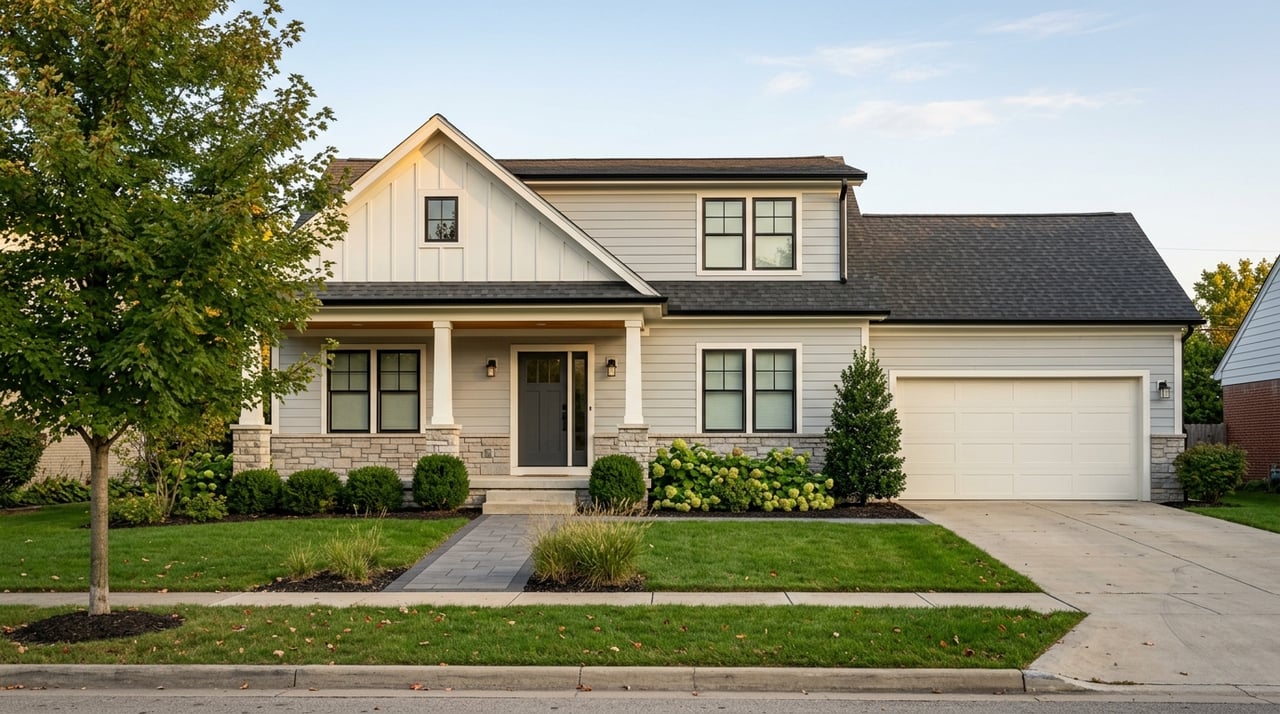
A budget-friendly search gets easier when you know what the local housing stock looks like. In Waldorf, the market is mostly owner-occupied and largely made up of detached and attached single-family homes. According to the 2020-2024 ACS profile, 56.0% of homes are detached, 28.2% are attached single-family homes, and only 5.9% are in buildings with 20 or more units.
That tells you something important. If you are shopping on a tighter budget, you are more likely comparing established suburban homes rather than a large supply of newer condos or brand-new construction. A large share of Waldorf homes were built between 1980 and 2009, and only 2.7% were built in 2020 or later.
You will also notice that family-sized layouts are common. About 40.6% of homes have 3 bedrooms, and 32.8% have 4 bedrooms. This can be helpful if you need space, but it also means you should pay close attention to condition, age of systems, and possible update costs when comparing homes.
Focus on the Right Price Bands
In Waldorf, much of the housing stock falls into a fairly defined value range. The ACS profile shows that 63.5% of owner-occupied homes are valued between $300,000 and $499,000, with another 20.3% between $500,000 and $999,000. For many budget-conscious buyers, that means the most realistic opportunities may be found by staying disciplined inside the $300,000 to $499,000 range and watching how condition, location, and carrying costs affect overall value.
This is where a strict must-have list can save you money. If you stay flexible on cosmetic finishes, layout preferences, or lot size, you may open up more options without increasing your budget. On the other hand, if you stretch for every feature on your wish list, your search can narrow quickly.
Get Preapproved, But Shop Your Loan Options
Preapproval is a key early step, especially in a market where homes can go pending in just over three weeks. Sellers often want to see a preapproval letter with an offer. But a preapproval is still a tentative statement from a lender, not a guaranteed loan.
The CFPB recommends comparing at least three loan offers and getting at least three preapprovals. That gives you a better read on interest rate options, fees, and total monthly cost. It also helps you spot issues early rather than learning about them after you find a home.
Look at Loan Programs That Can Lower Upfront Costs
If saving for a down payment and closing costs feels like the biggest hurdle, you may have more than one path forward. Common low-down-payment options can include:
- Conventional loans, often used when a buyer can put down about 5% or more
- FHA loans for buyers using a smaller down payment
- VA loans for eligible servicemembers and veterans, which can offer no-down-payment financing
- USDA loans in eligible rural areas, which can also offer no-down-payment financing
- State housing finance agency programs for eligible low- and moderate-income buyers
The Fannie Mae HomeReady program can allow down payments as low as 3%. Keep in mind that mortgage insurance is typically required when your down payment is under 20%.
For Maryland buyers, the Maryland Mortgage Program can be especially worth reviewing. The program offers 30-year fixed-rate loans, including 1st Time Advantage and Flex products, and most MMP products include down payment assistance. MMP also notes that homebuyer education may be required for some loans.
If you are buying in Charles County and qualify as a first-time buyer, there may also be local help available. The Charles County Housing Authority offers a First Time Home Buyers Settlement Expense Loan Program that can provide up to $6,000 in settlement-expense assistance for qualified low- and moderate-income first-time homebuyers. Repayment is deferred until resale, transfer, refinance, or the home is no longer your principal residence.
Plan for Closing Costs Early
One of the biggest mistakes budget buyers make is focusing only on the down payment. Closing costs can still be significant, and understanding how they work in Maryland can help you plan better.
Closing costs can include:
- Origination charges
- Points
- Taxes and other government fees
- Prepaid items
- Initial escrow payments
- Other settlement-related charges
The CFPB advises comparing your Loan Estimate to your Closing Disclosure at least three business days before closing. That side-by-side review can help you catch fee changes, confirm cash-to-close, and avoid last-minute surprises.
Know How Maryland and Charles County Taxes Affect Costs
Local taxes matter in Charles County, and they should be part of your home search math. The county transfer tax rate is 0.5% of the purchase price, and the FY2026 recordation tax rate is $7 per $500 of consideration. The county’s FY2026 total property tax rate is $1.205 per $100 of assessed value.
On a $424,780 sale, that works out to about:
- $2,123.90 for county transfer tax
- $5,946.92 for recordation tax
- $1,061.95 for the reduced state transfer tax for qualifying first-time Maryland homebuyers before any exemption or contract allocation
Maryland law can also help first-time buyers of improved residential property who will live in the home as a principal residence. Qualifying buyers receive a reduced state transfer tax rate of 0.25%, and the seller must pay that tax entirely. The law also states that recordation tax and local transfer tax are paid entirely by the seller unless the contract says otherwise.
That last part is important. Contract terms can affect who pays what, so a budget-focused buyer should review these items carefully before signing.
Budget for Ownership, Not Just the Purchase
A lower sale price does not always mean lower long-term cost. Because much of Waldorf’s housing stock is older, you should leave room in your budget for inspections, maintenance, and repairs. If you are considering an attached home, you should also check whether HOA dues apply.
The local data supports this cautious approach. About 25.3% of mortgaged households in Waldorf spend 35% or more of household income on owner costs. That is a useful reminder that monthly housing expenses can become tight if you buy at the edge of your comfort zone.
A practical budget should include a repair reserve from day one. Even if a home is in solid condition, regular ownership costs do not stop after closing.
Think About Property Tax Relief Programs
If you plan to use the home as your principal residence, Maryland offers programs that may help limit future tax pressure. The Homestead Tax Credit limits annual assessment increases to 10% or less and requires a one-time application.
Maryland also offers a Homeowners’ Property Tax Credit for eligible lower-income homeowners. The state says qualified buyers who want credit due at closing should apply at least 30 days before settlement. If you think you may qualify, it is worth looking into early so timing does not become an issue.
A Simple Strategy for a Budget Search
When you are starting a home search in Waldorf on a budget, simple usually works best. You do not need the biggest preapproval or the longest wish list. You need a plan that helps you move quickly on the right home without putting pressure on your future finances.
Here is a practical way to approach it:
- Set your true monthly payment cap before you tour homes.
- Compare at least three lenders and loan offers.
- Explore Maryland Mortgage Program and Charles County assistance if you may qualify.
- Build a must-have list and a separate nice-to-have list.
- Estimate commuting costs alongside housing costs.
- Leave room for repairs, insurance, taxes, and possible HOA dues.
- Review closing cost details early, not just at the end.
Waldorf offers a large supply of established suburban homes, and that can create real opportunity for buyers who stay focused and informed. The goal is not just to buy a house. The goal is to buy one you can comfortably keep, maintain, and enjoy.
If you want a calm, data-driven plan for your Waldorf home search, Patrick Thelwell can help you compare options, understand the tradeoffs, and move forward with confidence.
FAQs
What is a realistic home price range for a budget-conscious buyer in Waldorf?
- Waldorf home prices often sit in the low-to-mid $400,000s, and a large share of local home values fall between $300,000 and $499,000, so that range is often the most realistic starting point for budget-focused buyers.
What loan programs can help first-time buyers in Waldorf, Maryland?
- Buyers may want to explore conventional, FHA, VA, USDA, and Maryland Mortgage Program loans, and qualified first-time buyers in Charles County may also be eligible for up to $6,000 in settlement-expense assistance through the county Housing Authority.
What closing costs should Waldorf buyers plan for?
- Waldorf buyers should plan for lender fees, taxes and government fees, prepaid items, escrow setup, and other settlement charges, then compare the Loan Estimate and Closing Disclosure before closing to confirm the final cash needed.
Why should Waldorf buyers include commute costs in their housing budget?
- Waldorf has a mean travel time to work of 41.1 minutes, and most workers drive alone, so gas, tolls, parking, and time on the road can meaningfully affect your true monthly cost.
Are older homes common in Waldorf?
- Yes. Much of Waldorf’s housing stock was built between 1980 and 2009, so buyers should be ready to compare established homes and budget for inspections, maintenance, and possible repairs.
Do first-time homebuyers get tax advantages in Maryland?
- Qualifying first-time Maryland homebuyers who will occupy an improved residential property as a principal residence may receive a reduced state transfer tax rate of 0.25%, and Maryland law says that tax is paid entirely by the seller.